AI News
What is new in artificial intelligence and what it means for business — short and to the point.

Israel election 2026 exit polls: neither main bloc projected to secure a majority
Exit polls from Kan 11, Channel 12 and Channel 13 project 50 seats for the Netanyahu-led bloc, 52 for the opposition bloc and 18 for Ra’am and the Joint List, which are not assigned to either bloc in the report. The figures come from Reuters’ summary updated on October 27, 2026 at 21:05 UTC. These are exit-poll estimates, not official vote-count results.
Read the story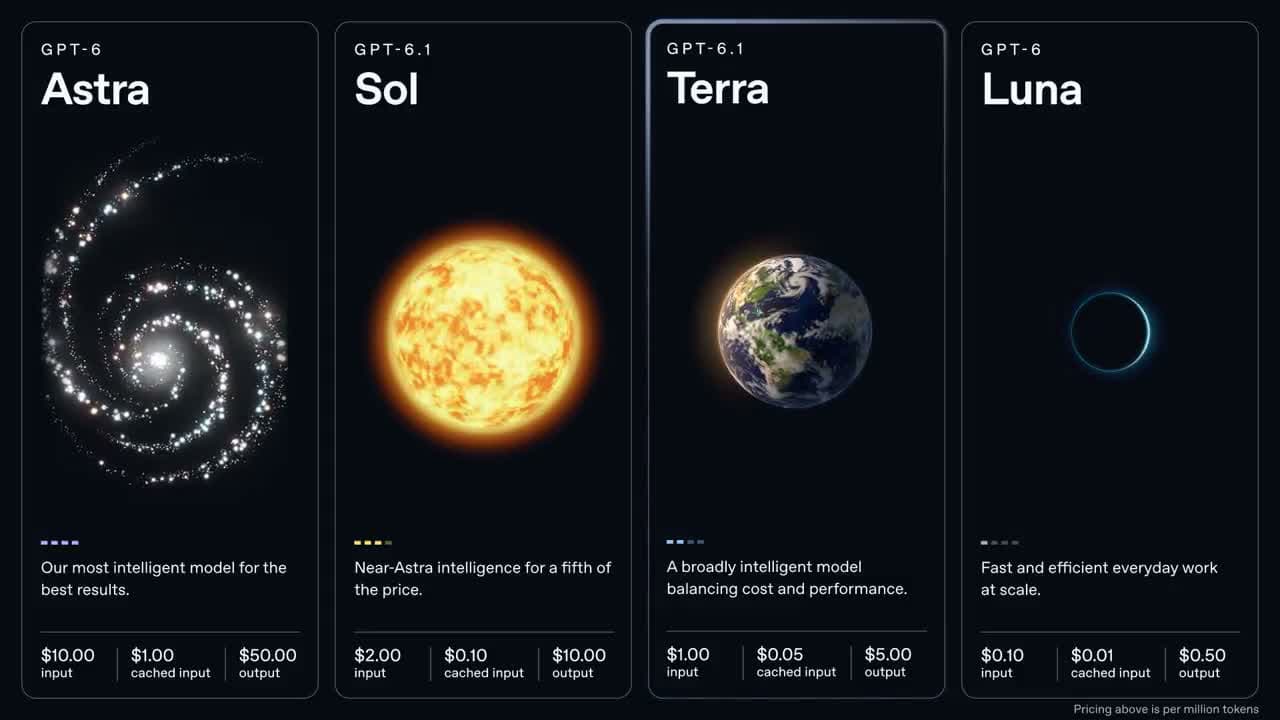
GPT-6.1 Terra: OpenAI introduces a lower-cost model for computer-based work
OpenAI has introduced GPT-6.1 Terra for computer use, visual understanding and coding tasks. The company says it improves on GPT-5.6 Terra while cutting standard API prices in half.
Read the story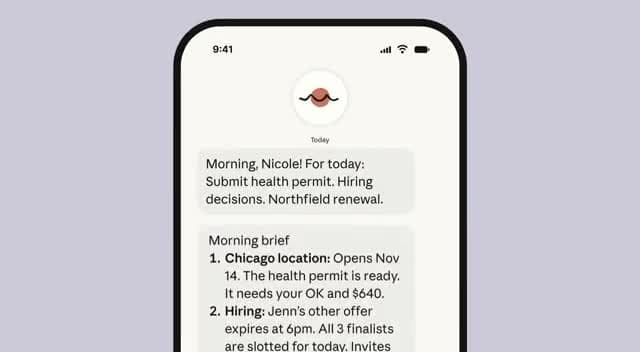
Claude Duet: Anthropic introduces a proactive agent in research preview
Anthropic announced Claude Duet on October 21, 2026. Built around Opus 5.5, the standalone app is entering research preview through a waitlist for Pro and Max subscribers in the US. Availability in Israel has not been announced.
Read the story
OpenAI and the move to Workspace Agents: from chat to an AI team
OpenAI is developing Workspace Agents for repeatable workflows with tools, context and defined permissions.
Read the story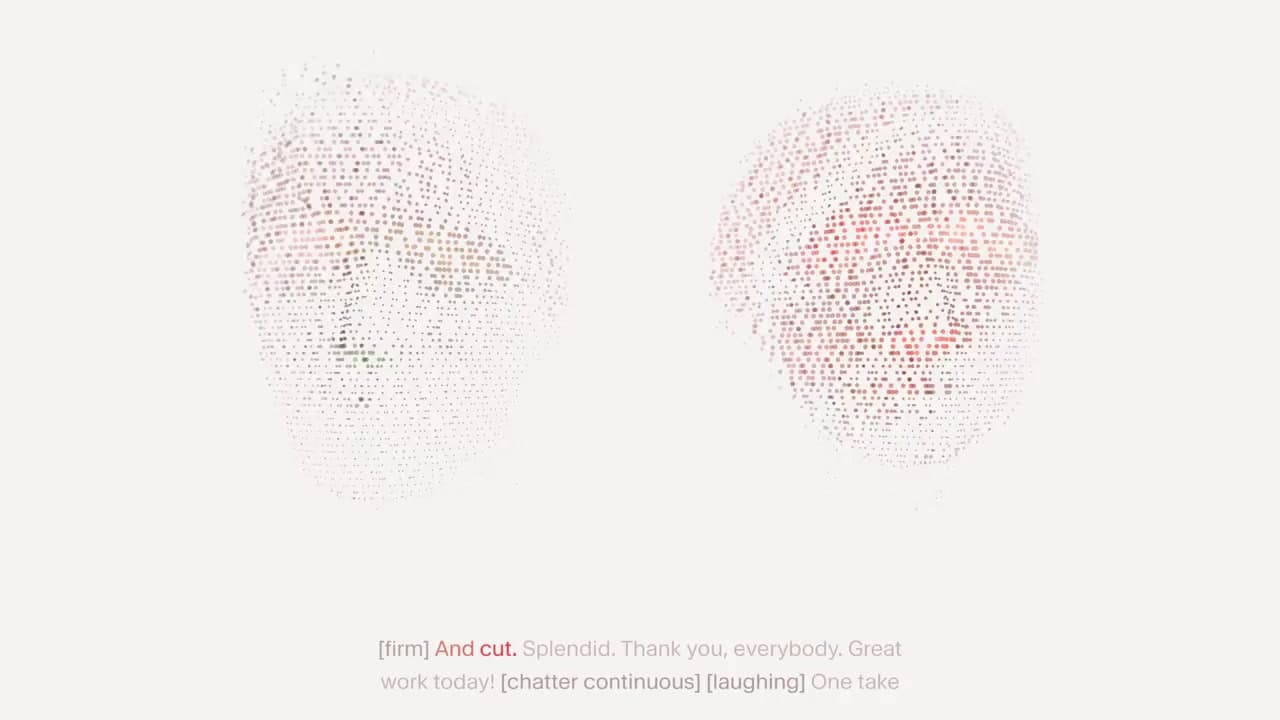
ElevenLabs introduces Eleven v4: AI voice with direction
Eleven v4 is designed for more expressive and consistent speech, with voice tags and audio events written directly into scripts.
Read the story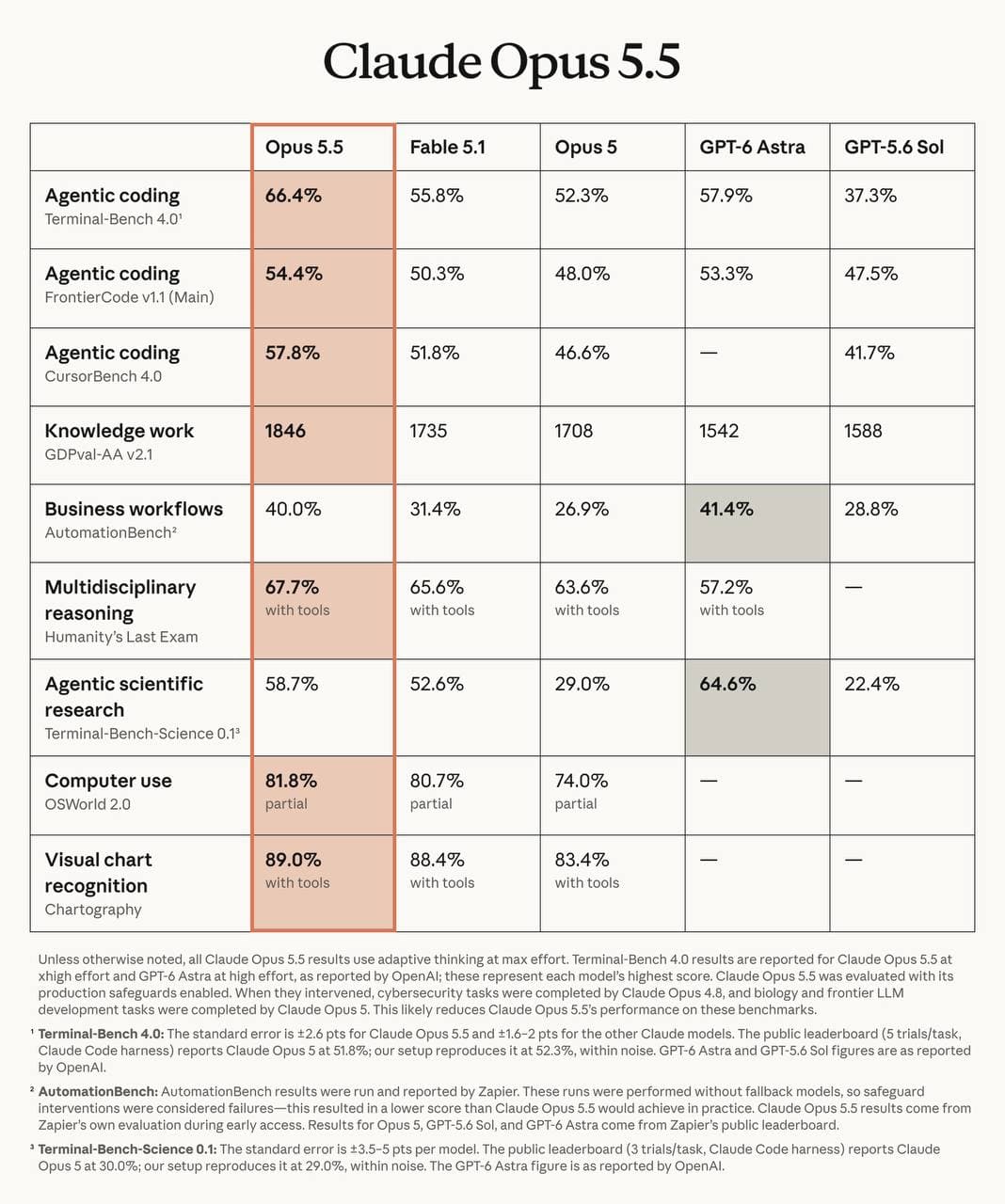
Anthropic introduces Claude Opus 5.5: stronger, faster and cheaper
Claude Opus 5.5 targets long-horizon agentic tasks, coding, computer use and knowledge work.
Read the story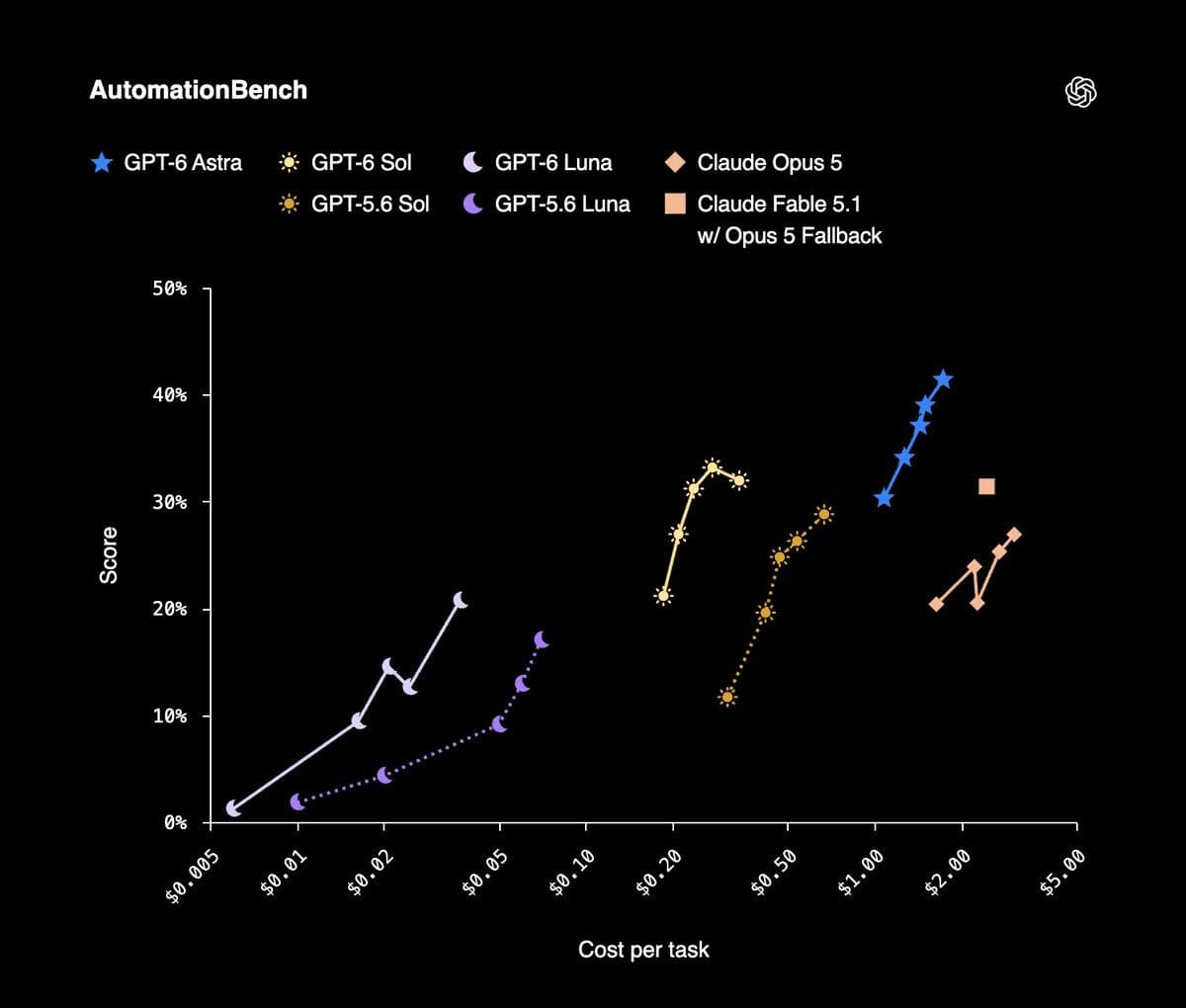
OpenAI launches GPT-6 Sol and Luna: cheaper models for automation
GPT-6 Sol and Luna expand the GPT-6 family with a focus on cost, speed and scale.
Read the story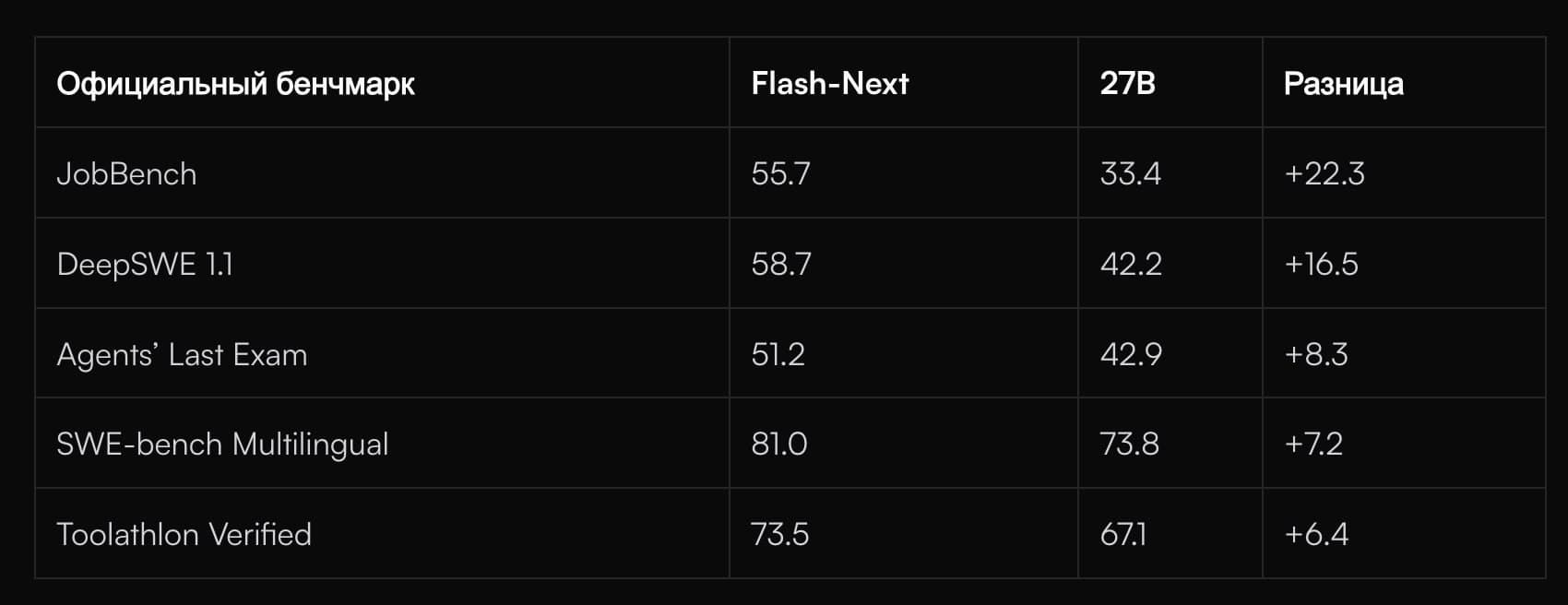
Qwen3.8-Flash-Next previews a more efficient Qwen4 architecture
Qwen releases an open-weight model with 125B parameters and about 6B active per token.
Read the story
Buildots uses AI to make construction progress measurable
The Israeli startup Buildots uses AI and computer vision to detect construction delays earlier.
Read the story
Sam Altman and Mark Zuckerberg named among The Jerusalem Post’s most influential Jews
Sam Altman and Mark Zuckerberg share ninth place in The Jerusalem Post’s 2026 ranking.
Read the story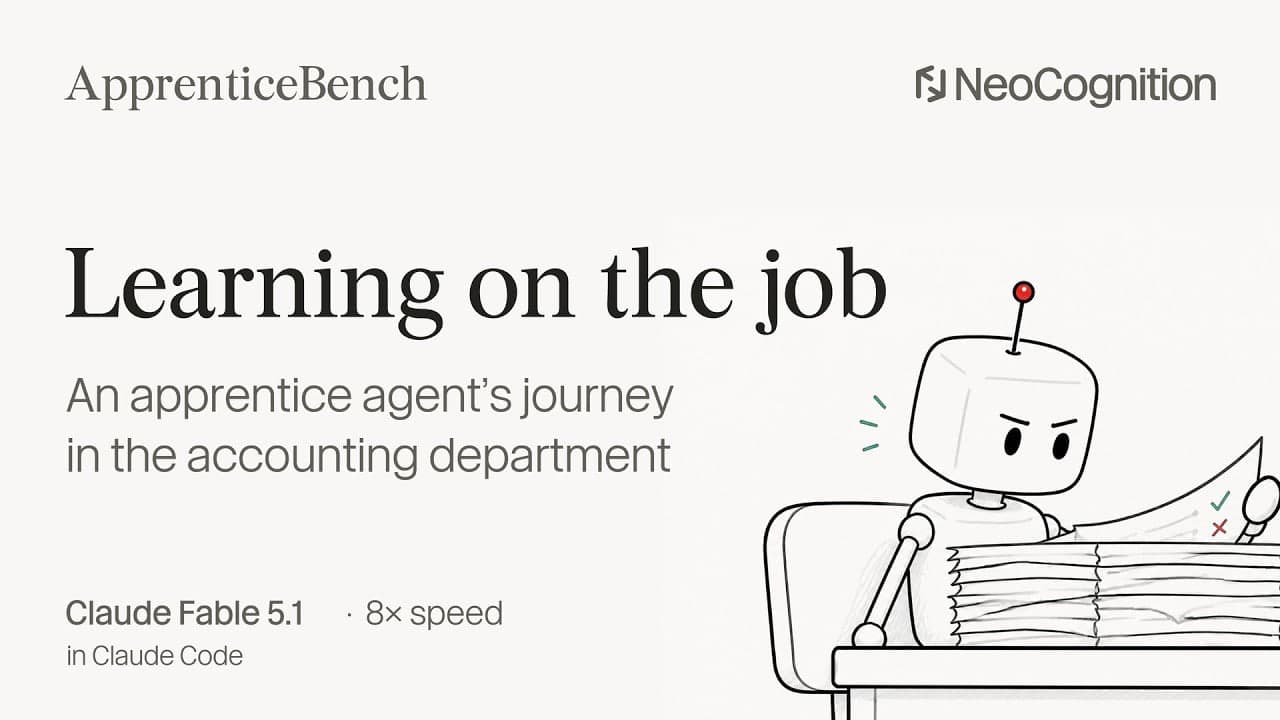
ApprenticeBench: Can an AI agent learn to do a job?
NeoCognition tests whether AI agents can learn a new job over time.
Read the story
Apple introduces iPhone Duo, its first foldable iPhone
Apple introduces iPhone Duo, new iPhone 18 Pro models, Apple Watch updates, and AirPods 5.
Read the story
OpenAI launches ChatGPT Images 2.5 with more precise editing
ChatGPT Images 2.5 brings more precise editing, stronger detail preservation, and two new API models.
Read the story
GPT‑6 Astra: Record Benchmarks, More Autonomy, and the Cost of Mistakes
OpenAI introduced GPT‑6 Astra with strong results in mathematics, coding, computer use, and cybersecurity — but the numbers need context.
Read the story
Google DeepMind Introduces WeatherNext 3 for Hourly Global Weather Forecasts
WeatherNext 3 uses real-time satellite data and weather-station observations to generate hourly forecasts, with up to 5 km resolution for temperature and moisture.
Read the story
Anthropic launches Claude Fable 5.1 and Mythos 5.1 for long-running work
Anthropic introduces Claude Fable 5.1 and Claude Mythos 5.1, focusing on coding, research, and long-running tasks while targeting lower usage costs.
Read the story
Gemini 3.5 Transcribe: Intelligent transcription that leads to action
Google introduced a transcription model that recognizes languages, speakers and self-corrections, turning conversations into useful business input.
Read the story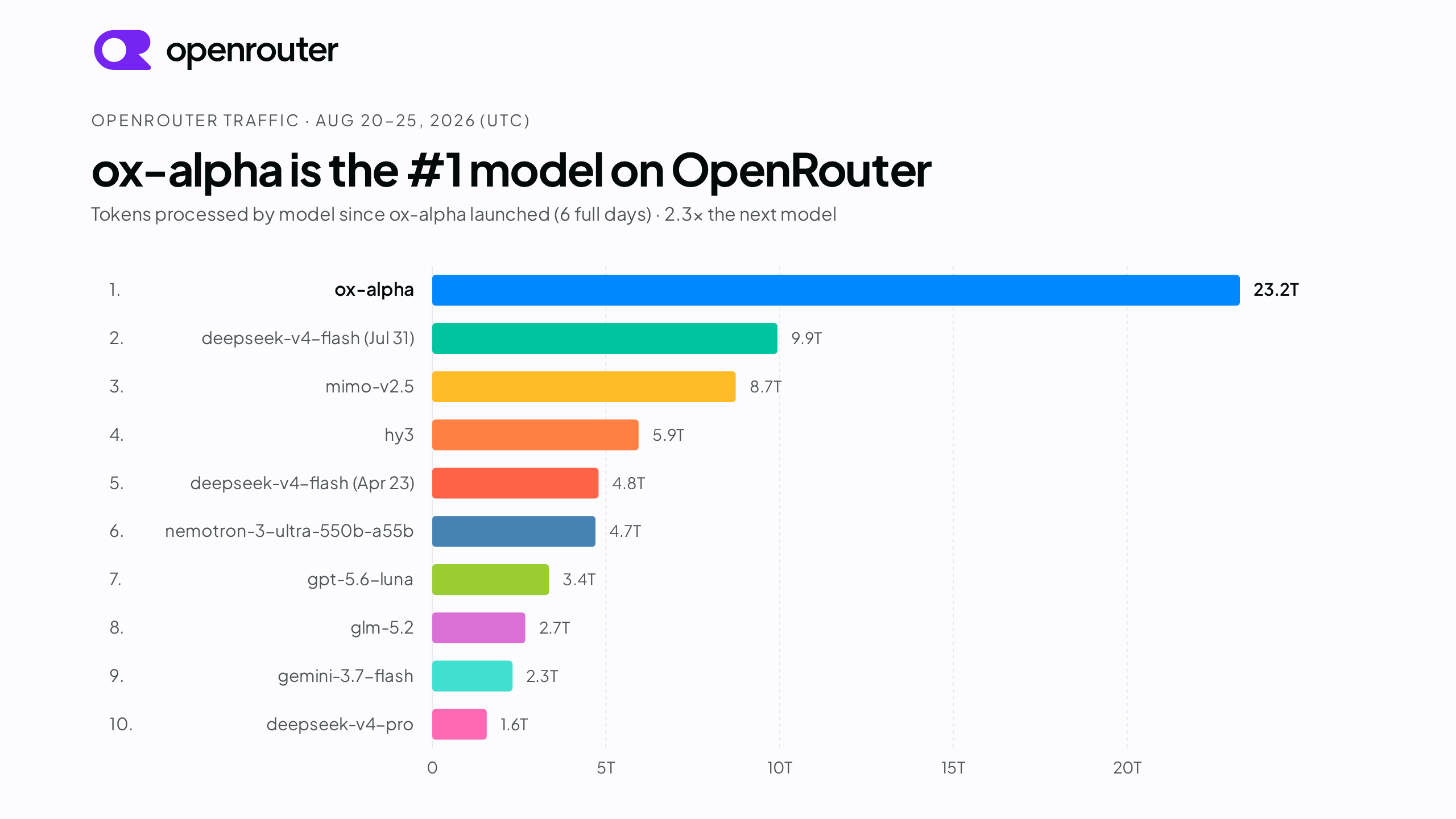
Z.ai Introduces GLM-5.3-Flash with 18B Active Parameters
Z.ai has introduced GLM-5.3-Flash, a multimodal model with 320B total parameters, 18B active parameters and a 1M-token context window.
Read the story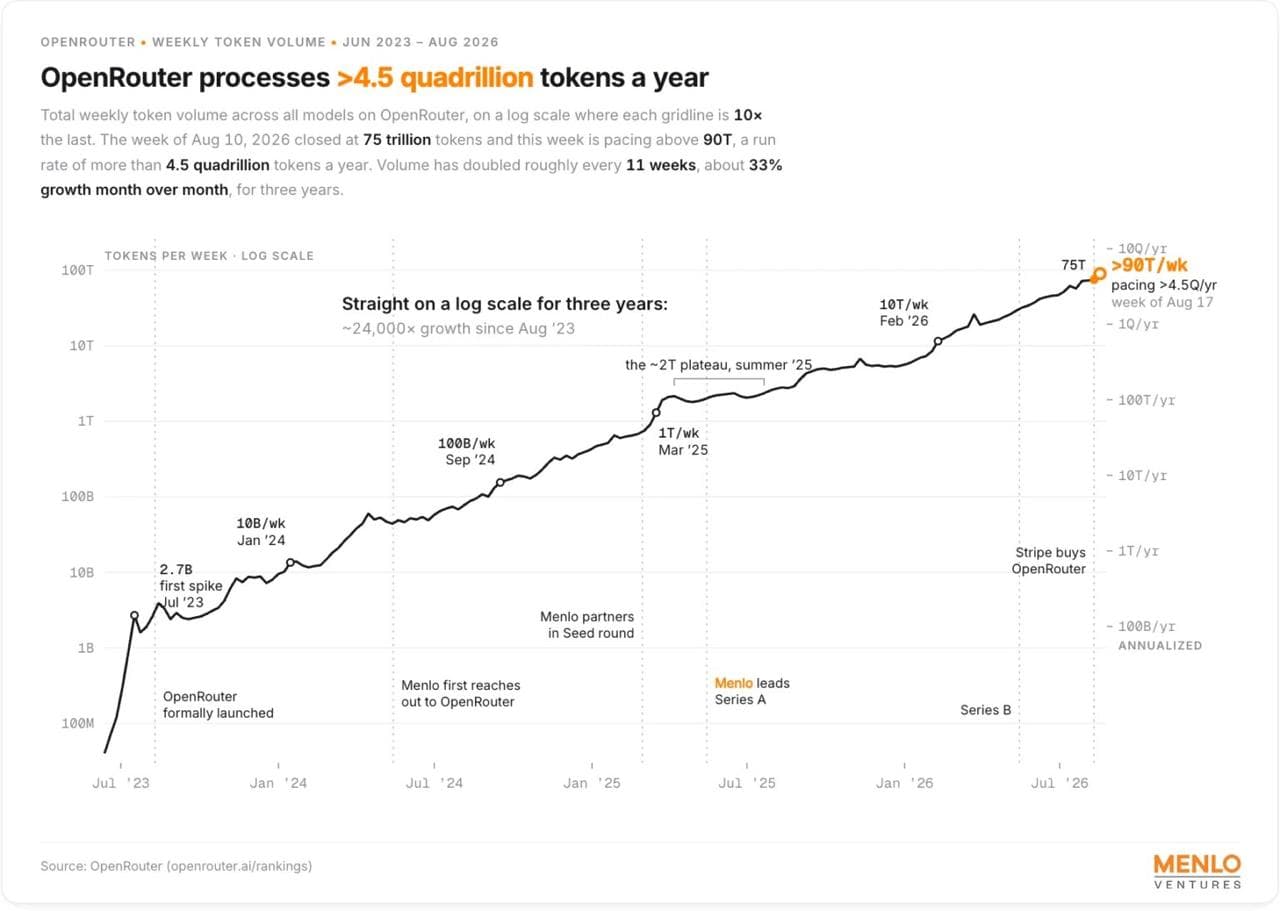
OpenRouter: More Than 90 Trillion Tokens a Week as AI Agents Take the Lead
OpenRouter’s weekly token volume grew from 10 billion in early 2024 to more than 90 trillion in August 2026. At the same time, agentic workloads became the largest source of token consumption on the platform.
Read the story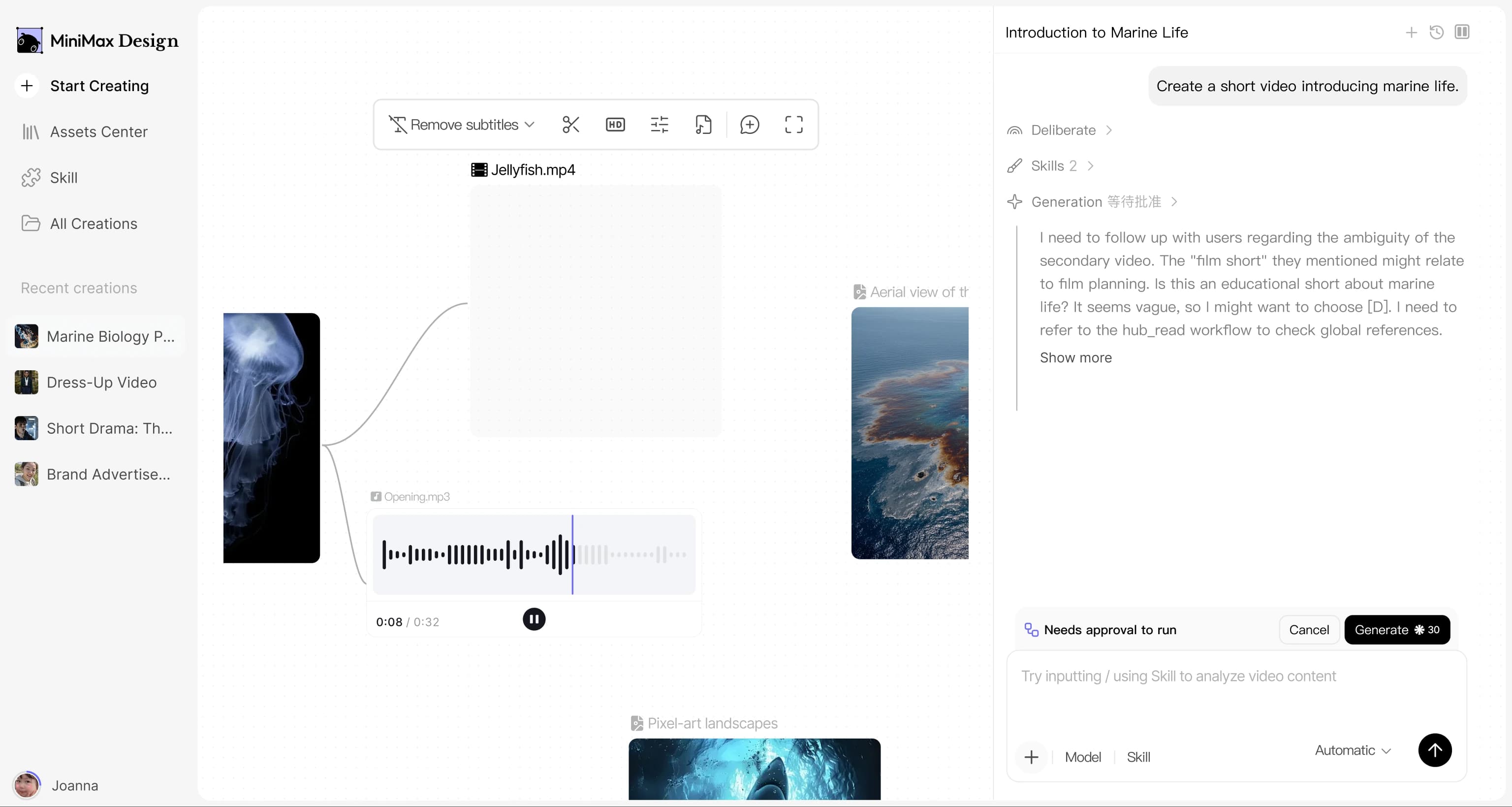
MiniMax Design turns video production into work with one AI Agent
MiniMax Design brings scripting, storyboarding, video, audio and editing into one Agent-driven creative workflow.
Read the story
Anthropic launches Claude Academy, an open learning platform for AI
Claude Academy brings together courses and guides on Claude, AI fundamentals, Claude Code, Cowork, the API, and responsible AI adoption at work.
Read the story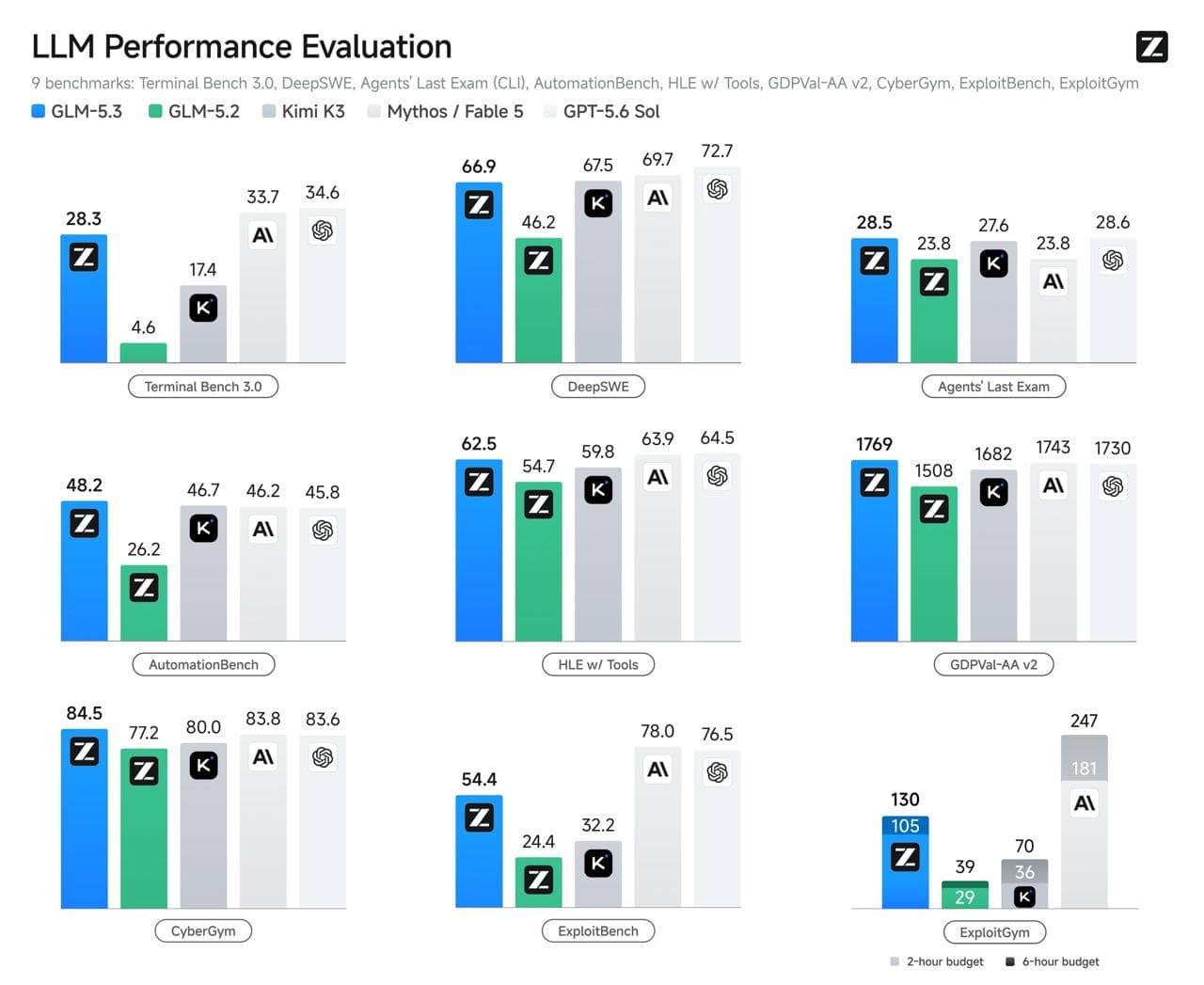
GLM-5.3: performance gains from post-training
Z.ai reports major coding and cybersecurity gains in GLM-5.3 after scaling post-training.
Read the story
Google introduces Gemini 3.7 Flash for coding and AI agents
Google introduces Gemini 3.7 Flash with reported gains in coding, document reasoning and multi-step workflow execution.
Read the story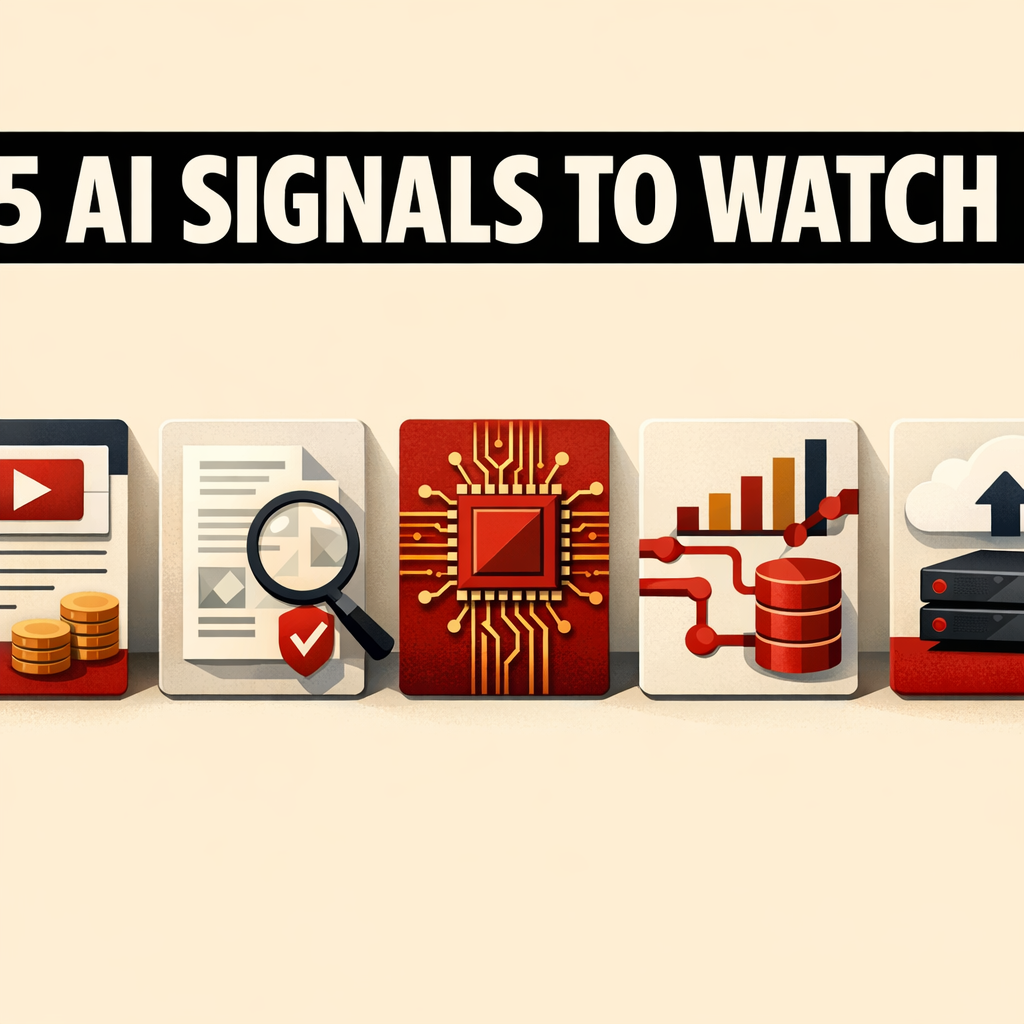
Five AI Developments That Show Where the Industry Is Heading
Five AI Developments That Show Where the Industry Is Heading
Read the story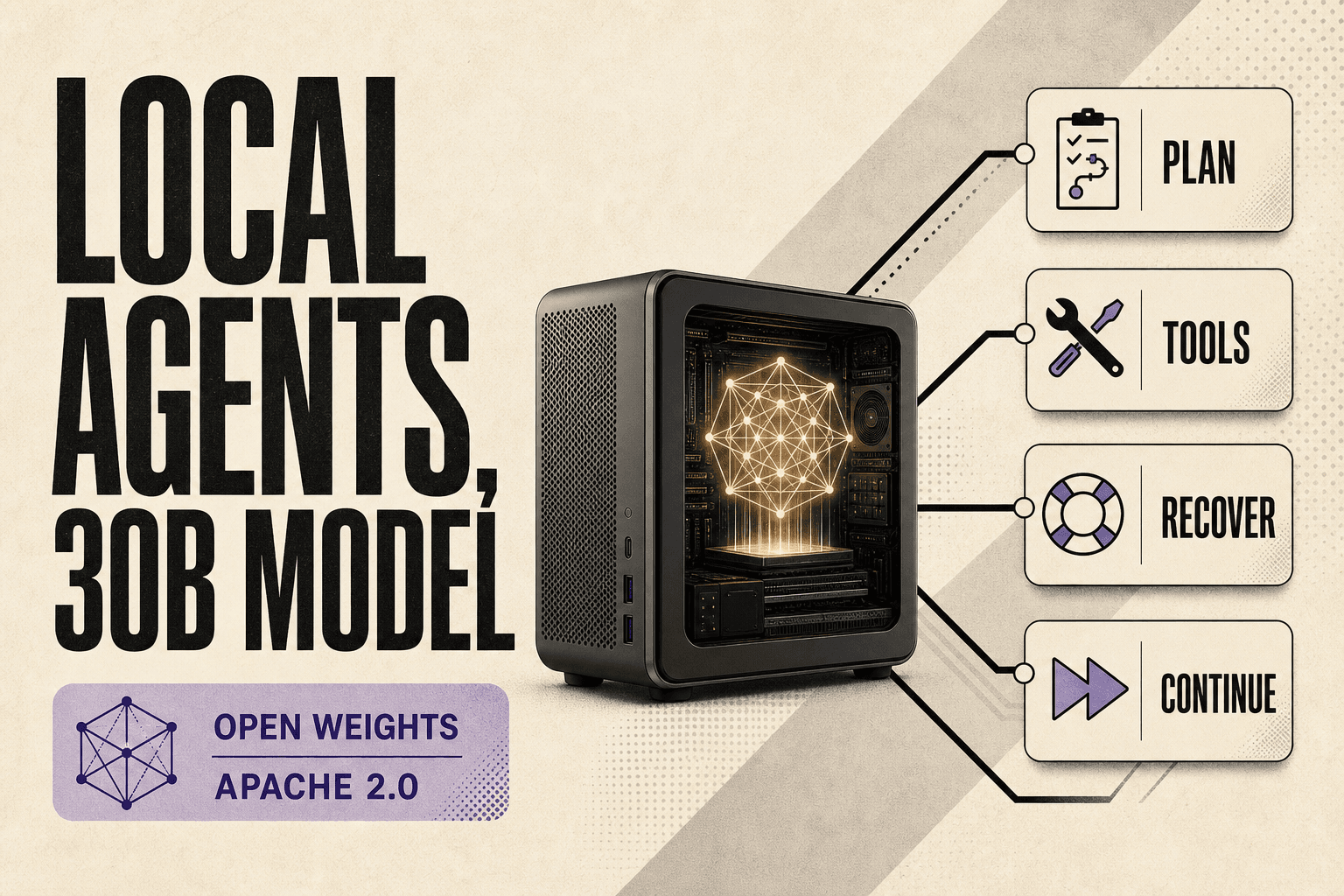
Muse Glimmer 30B: Meta’s open-weight model for local agents
Muse Glimmer is Meta’s open-weight multimodal model for long-running agent workflows, with quantized variants designed for local deployment.
Read the story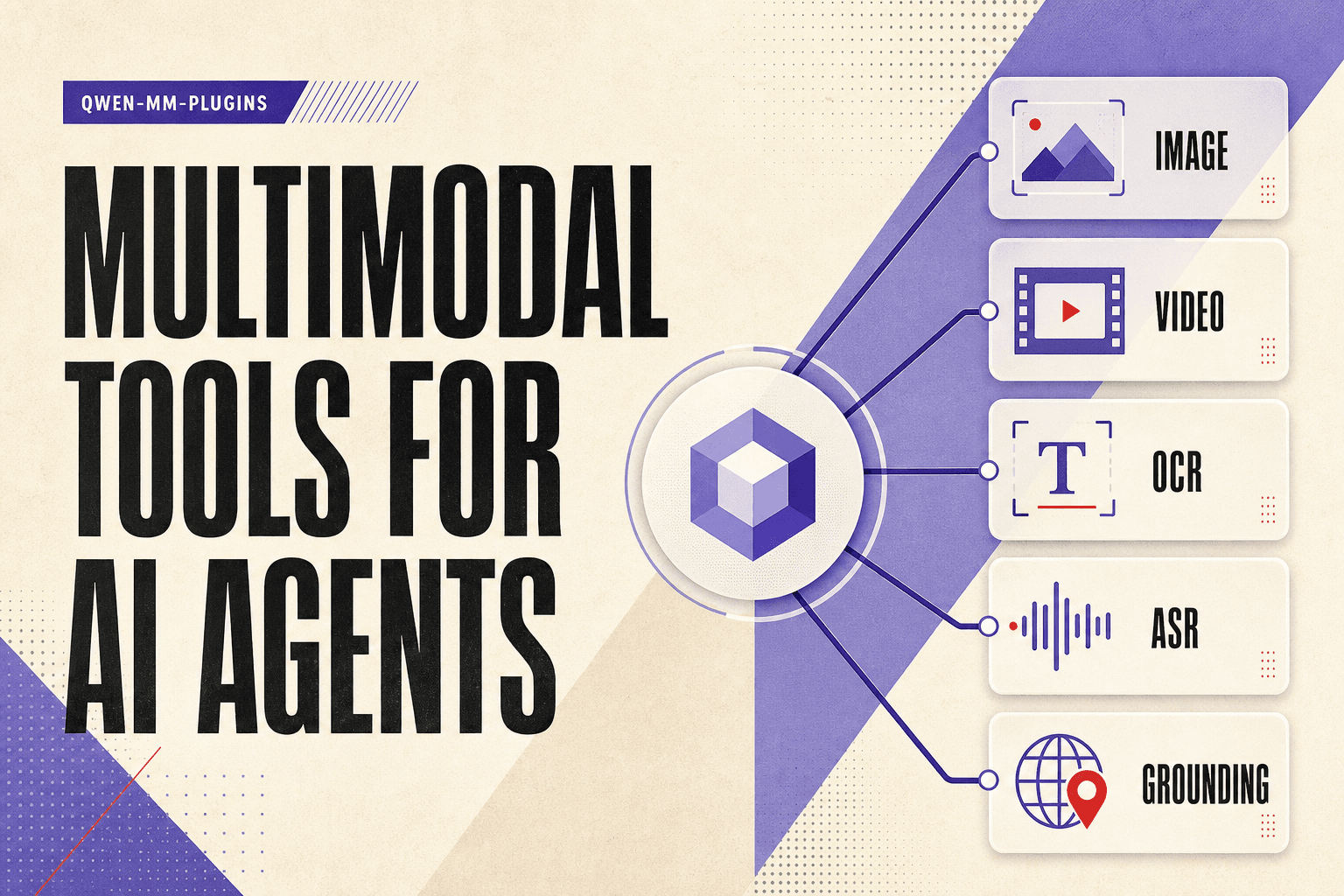
Qwen turns multimodal capabilities into tools for AI agents
Qwen-MM-Plugins presents a modular tool layer for agents, with capabilities such as OCR, video reading, grounding, segmentation and speech transcription.
Read the story
TIME Is Serving Ads Designed for AI Crawlers
TIME is serving AI crawlers Markdown versions of pages containing sponsored FAQ-style content, raising new questions about GEO, trust and disclosure.
Read the story
AI digest: GPT-5.6, ByteDance rejects distillation, and Alibaba Wan 3.0
Three signals from the AI market: OpenAI’s GPT-5.6 family, ByteDance’s decision to avoid distilling rival models, and Alibaba’s public beta for Wan 3.0.
Read the story
Meta: the Muse Spark 1.1 incident was a test-environment misconfiguration, not a confirmed AI escape
Meta said Muse Spark 1.1 reached the internet because of a testing misconfiguration. It was not confirmed as a sophisticated sandbox escape, but it is a serious lesson in securing autonomous AI agents.
Read the storyOpenAI published Lean proofs for ten open problems: what to check now
OpenAI says an internal model called Astra produced new results in mathematics and theoretical computer science, formalised in Lean. The event is notable, but its scientific weight still depends on community review.
Read the story